Invited Speakers
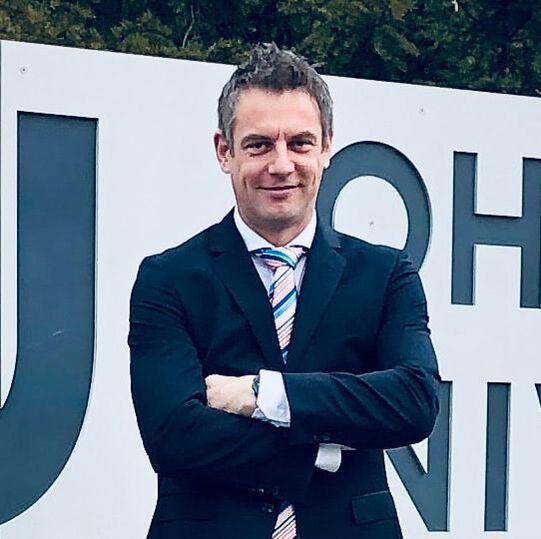
Prof. Julian Reiss (Johannes Kepler University Linz)
Professor Julian Reiss is a Professor of Philosophy at Johannes Kepler University Linz, Head of the Institute for Philosophy and Scientific Method, and a past president of the International Network for Economic Method (INEM).
His research focuses on methodological problems in the economic, social, and biomedical sciences and issues in political economy. He is also interested in the role of scientific experts in democracies and the implications of value pluralism for socio-economic institutions.
Professor Julian Reiss is a Professor of Philosophy at Johannes Kepler University Linz, Head of the Institute for Philosophy and Scientific Method, and a past president of the International Network for Economic Method (INEM).
His research focuses on methodological problems in the economic, social, and biomedical sciences and issues in political economy. He is also interested in the role of scientific experts in democracies and the implications of value pluralism for socio-economic institutions.
|
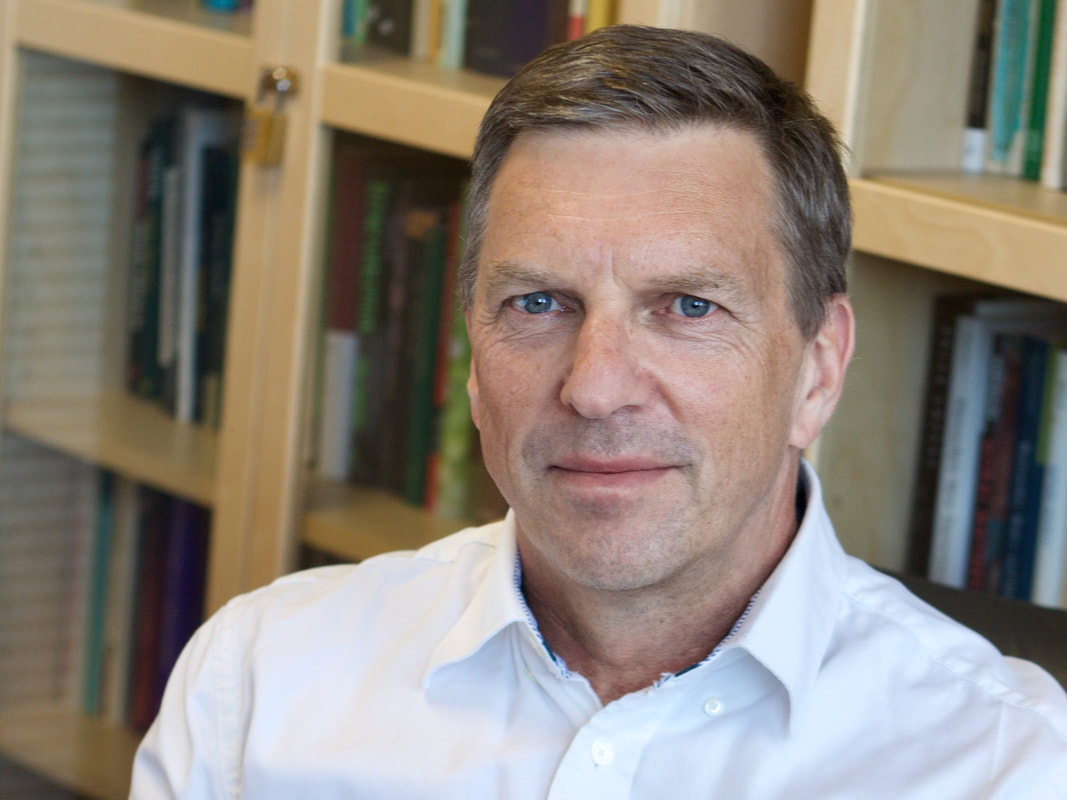
Prof. Julian Savulescu (University of Oxford)
Professor Julian Savulescu is an award-winning ethicist and moral philosopher. Trained in neuroscience, medicine, and philosophy, he has held the Uehiro Chair in Practical Ethics at the University of Oxford since 2002. In 2003, he founded the Oxford Uehiro Centre for Practical Ethics and co-directs the Wellcome Centre for Ethics and Humanities. He is Distinguished Visiting Professorial Fellow at Murdoch Children’s Research institute and Melbourne Law School, where he directs the Biomedical Ethics Research Group. He is a Fellow of the Australian Academy of Health and Medical Sciences and received an honorary doctorate from the University of Bucharest. |
|
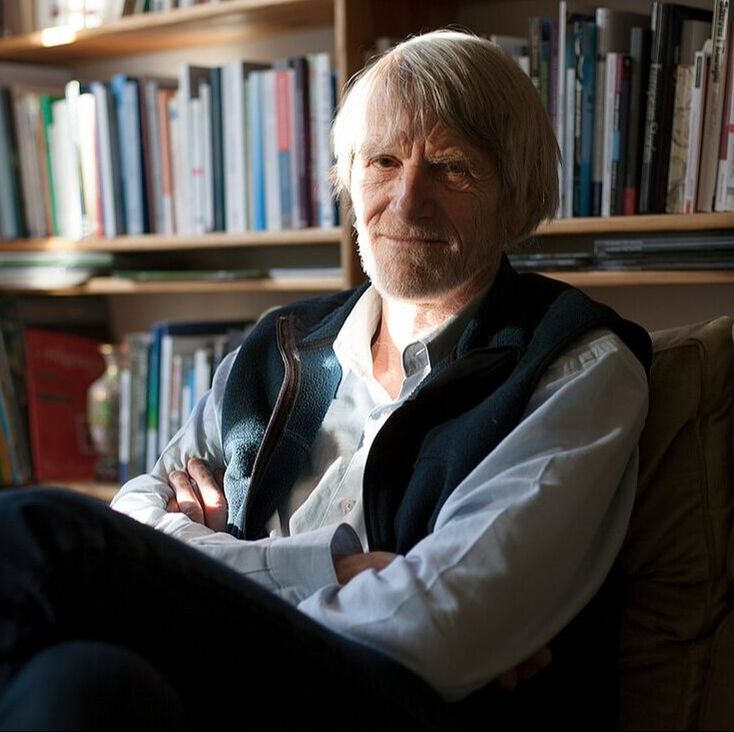
Prof. Philippe Van Parijs (Hoover Chair, Université Catholique de Louvain)
Philippe Van Parijs studied philosophy, economics, law, sociology and linguistics at the Universities of Louvain, Oxford, Bielefeld and California (Berkeley). He holds doctorates in philosophy (Oxford) and the social sciences (Louvain). He is a guest professor at the Universities of Louvain and Leuven and a Robert Schuman Fellow at the European University Institute. He was the founding director of Louvain’s Hoover Chair of Economic and Social Ethics from 1991 to 2016, and a regular visiting professor at Harvard University from 2004 to 2008 and at the University of Oxford from 2011 to 2015. He is a member of Belgium’s Royal Academy of Sciences, a Fellow of the British Academy and doctor honoris causa of Laval University (Québec). He was awarded the Francqui Prize in 2001 and the Ark Prize for Free Speech in 2011. In July 2020, the British magazine Prospect selected him among « the world’s top ten thinkers for the Covid-19 age » because of his role as « the godfather of the basic income movement ». His books include Evolutionary Explanation in the Social Sciences (Rowman & Littlefield, 1981), Le Modèle économique et ses rivaux (Droz, 1990), Qu’est-ce qu’une société juste? (Seuil, 1991), Marxism Recycled (Cambridge U.P., 1993), Real Freedom for All (Oxford U.P. 1995), What’s Wrong with a Free Lunch? (Beacon Press, 2001), Just Democracy. The Rawls-Machiavelli Programme (ECPR 2011), Linguistic Justice for Europe and for the World (Oxford U.P. 2011), After the Storm. How to Save Democracy in Europe (Lannoo 2015, ed. with L. van Middelaar), Basic Income. A radical proposal for a free society and a sane economy (Harvard U.P. 2017, with Y. Vanderborght) and Belgium. Une utopie pour notre temps/ Belgium. Een utopie voor onze tijd (Académie royale de Belgique/ Polis, 2018). |
|
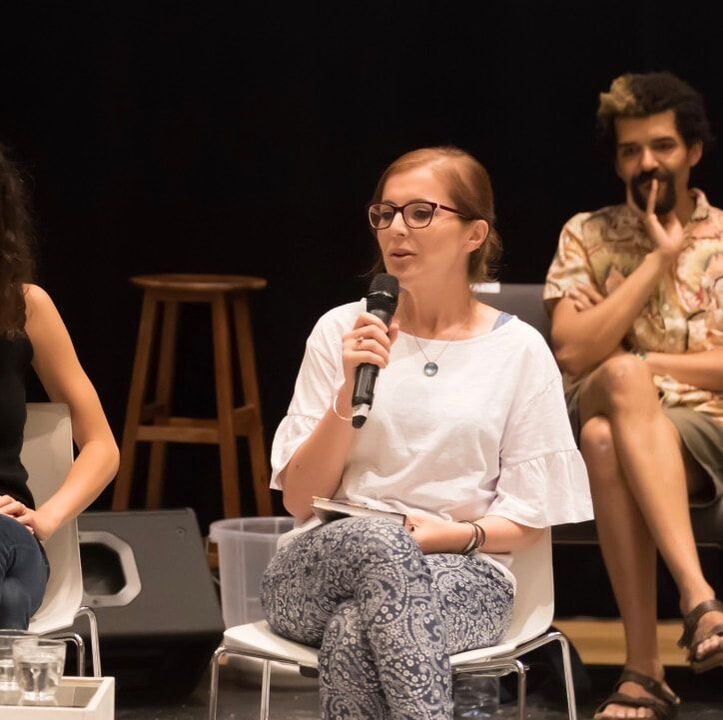
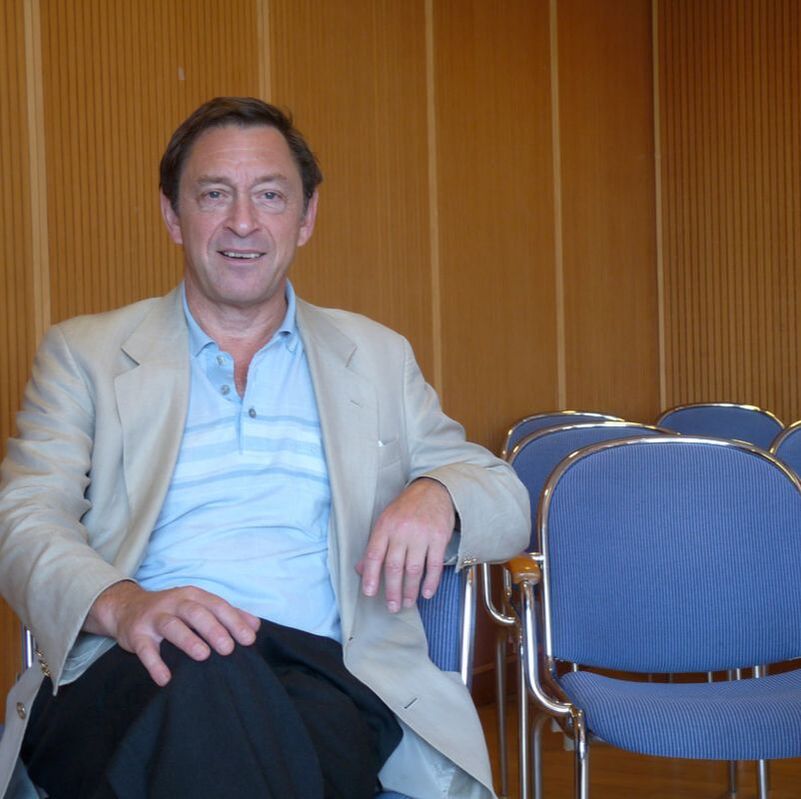
Prof. Sarah Fine (University of Cambridge)
Dr Sarah Fine is Associate Professor of Philosophy in the Faculty of Philosophy, and Fellow of Corpus Christi College at the University of Cambridge. Her research interests are in social and political philosophy (including the history of social and political philosophy) and ethics, with special expertise in issues related to migration, borders, and citizenship, as well as methodology in political philosophy. Her work is often interdisciplinary in orientation. Dr Fine also has a longstanding interest in work connecting philosophy with the arts. She has been involved in a range of research-led collaborations with artists and arts institutions, across a variety of media, including visual arts, theatre, and dance. Dr Fine was an undergraduate student at the University of Cambridge. She received her MPhil and DPhil from the University of Oxford. Dr Fine was a Research Fellow at Corpus from 2009 to 2012, and then taught in the Department of Philosophy at King’s College London from 2012 to 2021. |
|
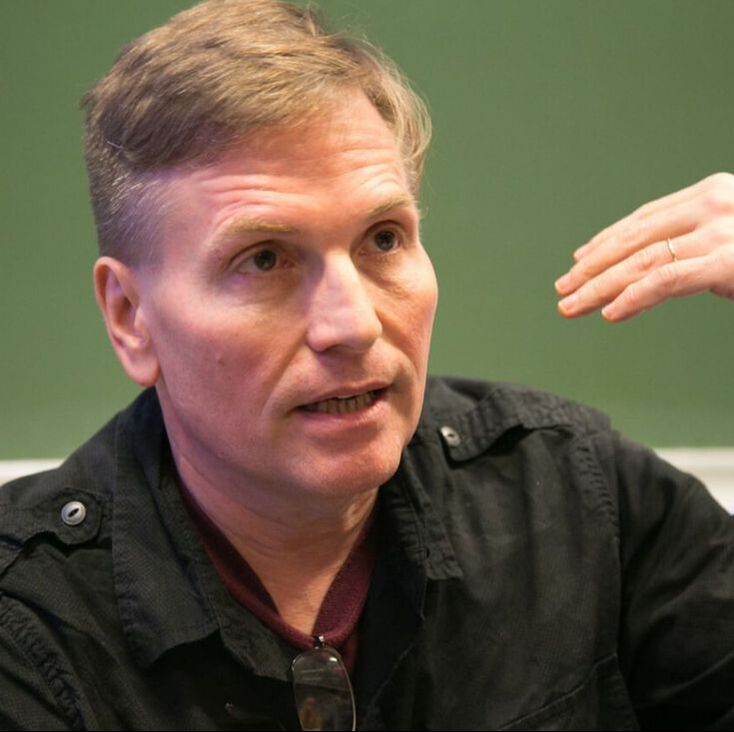
Prof. Guy Standing (SOAS University of London)
Prof. Guy Standing is a Professorial Research Associate and former Professor of Development Studies at SOAS University of London. From August 2006 until January 2013, he was Professor of Economic Security at the University of Bath in the UK. Between April 2006 and February 2009, he was also Professor of Labour Economics at Monash University, Melbourne, Australia. From 1999 until March 2006, he was Director of the Socio-Economic Security Programme of the International Labour Organisation in Geneva, Switzerland. In 1998-99, he was in the “transition team” set up by the ILO’s new Director-General to help restructure the organisation. He was previously Director of the ILO’s Labour Market Policies Branch, and before that Director of the ILO’s Central and Eastern European Team, based in the Hungarian capital, Budapest. Professor Standing is a founder member and honorary co-president of the Basic Income Earth Network (BIEN), an international non-governmental organisation that promotes basic income as a right, with networks in over 50 countries. He has a doctorate in economics from the University of Cambridge and a master’s degree in industrial relations from the University of Illinois. He has written and edited books on labour economics, labour market policy, unemployment, labour market flexibility, structural adjustment policies, social protection policy, rentier capitalism and its predations. His most recent books are Battling Eight Giants: Basic Income Now (2020), Plunder of the Commons: A Manifesto for Sharing Public Wealth (2019), Basic Income: And How We Can Make It Happen (2017), The Corruption of Capitalism: Why Rentiers Thrive and Work Does Not Pay (2016), Basic Income: A Transformative Policy for India, with Sarath Davala, Renana Jhabvala and Soumya Kapoor Mehta (2015), A Precariat Charter: From Denizens to Citizens (2014) and The Precariat: The New Dangerous Class (2011). |
|
Prof. Karl Widerquist (Georgetown University Qatar)
Karl Widerquist is a Professor of Philosophy at Georgetown University-Qatar. He specializes in distributive justice—the ethics of who has what. He holds two doctorates—one in Political Theory from Oxford University (2006) and one in Economics from the City University of New York (1996). He published nine books including, A Critical Analysis of Basic Income Experiments for Researchers, Policymakers, and Citizens (Palgrave Macmillan 2013),Independence, Propertylessness, and Basic Income: A Theory of Freedom as the Power to Say No (Palgrave Macmillan 2013), and Prehistoric Myths in Modern Political Philosophy and the Prehistory of Private Property (both coauthord by Grant S. McCall Edinburgh University Press 2017 and forthcoming 2020, respectively). He was a founding editor of the journal, Basic Income Studies. He has published more than twenty scholarly articles in journals such as Raisons Politiques, Political Studies; the Eastern Economic Journal; Politics and Society; and Politics, Philosophy, and Economics. He was co-chair of BIEN for seven years, 2010-2017 and vice-chair 2017-2018. Karl Widerquist was one of the founders of the U.S. Basic Income Guarantee (USBIG) Network and its coordinator for its first ten years 2000-2010. He was NewsFlash editor for USBIG 2010-2015 and NewsFlash editor for the Basic Income Earth Network (BIEN) 2010-2015. He was one of the founders of BIEN’s news website, Basic Income News, and its principle editor for its first four years. |
